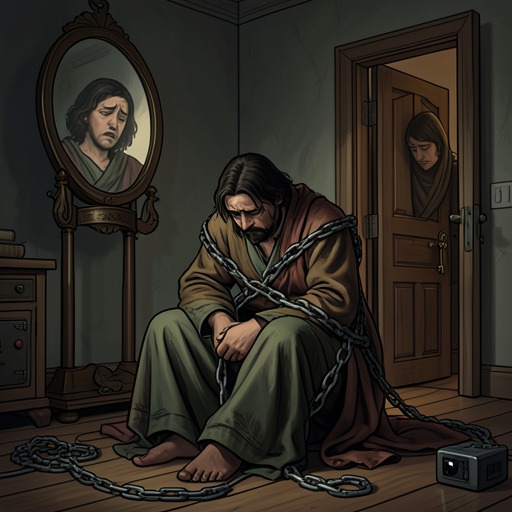
Daily Repentance and Righteous Choices
Don't Leave God Alone: How to Get God's Attention, Remain in His Presence, and Even Change His Mind to Make a Difference in Your WorldDaily Repentance and Righteous Choices presents repentance not as a single emotional apology but as a continuing practice of turning away from sin and planting righteousness through ordinary decisions. Its central image is sowing: each choice in thought, attitude, conduct, and obedience becomes a seed, while a changed life is the eventual fruit. The rule therefore holds grace and discipline together. A person who fails is urged to return to God rather than hide, but genuine return must also alter the direction of life.
Definition and Spiritual Logic
The rule is grounded in the command to "Sow to yourselves righteousness." Sowing to oneself means making small decisions every day to do what is right. Those decisions include right living, right thinking, right attitudes, and right choices, each contributing to a gradual likeness to Jesus Christ. The emphasis falls on continuity: lasting fruit does not appear through a single dramatic resolution but through repeated acts of faithfulness.
This principle also explains why persistent defeat can continue when a person wants only the appearance of change. The book compares such half-measures to pulling weeds from a hillside while leaving their roots in the ground. When the weeds were removed only from the surface, they grew back, exhausting the workers in the summer heat. Spiritually, the same pattern occurs when people address visible behavior without confronting the source of the problem. Weeds must be pulled before flowers can be planted; root-level decisions make room for abundant fruit.
Repentance Versus Apology
The rule distinguishes repentance from saying sorry because failure feels uncomfortable. Hank Kunneman describes repeatedly struggling with an attitude toward another believer. He apologized to God several times, yet continued trying to change on his own terms, so the pattern remained. The distinction became clear when God told him that He was not seeking another "I'm sorry again," but rather "Lord, I repent."
In this account, an apology acknowledges distress without necessarily surrendering control. Repentance rejects the sin itself and includes a permanent intention to change direction. It is not merely regret at having done wrong while remaining willing to repeat the same action when the opportunity returns. The decisive movement is from self-management to obedience: the person admits that the attitude is wrong, turns from it, and begins making choices consistent with that reversal.
Daily Practice and Its Difficulties
Daily righteousness is presented as demanding rather than effortless. People may repent repeatedly and still fail, but failure is not a reason to abandon prayer or withdraw from God. When Christians feel embarrassed by their compromises, they may hide behind a figurative "fig leaf," treating their own efforts at righteousness as a covering. The book insists that such self-made coverings cannot justify anyone before God. Because of the blood of Jesus, the proper response to failure is to run toward God, ask for forgiveness, and continue seeking His help.
That return is connected with forgiveness toward others. In the prayer Jesus taught His disciples, asking for forgiveness is joined to forgiving other people, and this posture helps a person resist temptation and pray for deliverance from evil. Repentance thus belongs within a continuing relationship with God rather than an isolated attempt at moral self-repair. Shame drives concealment; forgiveness makes renewed obedience possible.
Examples of Obedient Change
Blind Bartimaeus illustrates the rule through decisive action. His movement out of darkness began with a choice to cry out to Jesus and persist until his situation changed. The example makes repentance active: a person does not merely recognize defeat but moves toward the source of healing and chooses a different future.
A young person in a church service provides another example. During a prophecy, the Holy Spirit identified the name of the person she was dating, and she was told that the relationship was not drawing her toward God at the same level. She listened, changed her mind, and acted rather than remaining passive. Her change is treated as a practical expression of obedience, showing that righteousness may require abandoning a serious but spiritually compromising direction.
Eli’s failure supplies a negative contrast. His sons repeatedly sinned openly, and he did not take the day-to-day action needed to bring change to their lives or his own. The consequence was that God dealt severely with the situation. The account presents neglected discipline as a moral choice, not an absence of choice: allowing a recurring wrong to continue is itself a form of consent.
Relationship to Faith and Persistence
Daily repentance is part of a broader pattern of refusing to leave God alone. The book encourages people who have failed in prayer not to give up because they feel ashamed or believe God is angry. Instead, they should return to Him and continue asking for help. Persistence is described as bold, determined, shameless, pressing, and unwilling to faint; repentance gives that persistence an ethical direction by ensuring that the seeker is not merely demanding blessing while protecting the behavior that blocks spiritual change.
The same framework is applied to prayer, freedom, and provision. Believers are told to use the Word of God and the name of Jesus, stand their ground, refuse to abandon deliverance, and remain connected to an anointed pastor. They are also told that financial blessing must be handled without arrogance or trust in wealth, with enjoyment, good works, generosity, and willing giving. In each case, faith is not detached from conduct. A person asks God for help while continually choosing the kind of life that can receive and use that help rightly.
The rule therefore describes transformation as cumulative rather than instantaneous. Repentance begins with a clear turn, but its credibility is shown by "fruits worthy of repentance": visible results that grow from the seeds planted each day. The decisive change is not the absence of struggle; it is the refusal to remain rooted in the old pattern. Through repeated righteous choices, hidden direction becomes visible fruit, and a life once marked by compromise can be reordered toward obedience and fellowship with God.